
 Enquiry
Screen Printing vs Digital Printing: 6 Key Differences You Need to Know
Ever wondered how your favourite custom T-shirt designs are printed?
Knowing the correct printing technique will help you—whether you’re a business owner branding your items, an artist wishing to exhibit their work, or simply someone who enjoys making personalised prints.
Two of the most popular printing methods are digital and screen printing, but they work in very different ways.
One is best for detailed, multi-coloured patterns with quick turnaround times while the other is good for bold, long-lasting prints in bulk.
So, which one should you pick? In this article, we have broken down the six main characteristics that differentiate traditional screen printing from the digital printing process.
Understanding Screen Printing
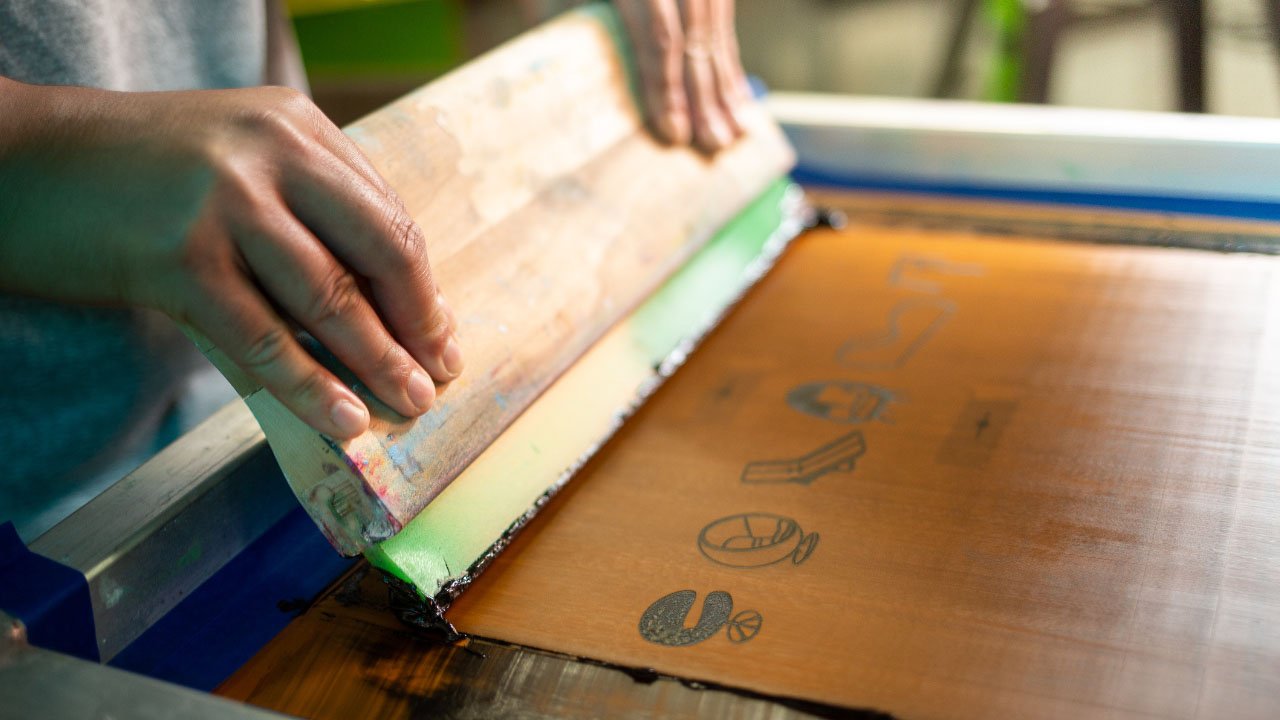
Screen printing is a time-tested method that uses a stencil (or screen) to apply layers of ink onto a printing surface, such as fabric, paper, or plastic.
Ink is pushed through a fine mesh screen, creating a bold and vibrant print.
This method is particularly popular for T-shirts and other fabric prints, posters, and banners, as well as bulk orders of promotional merchandise.
Here are some of its biggest advantages:
✅ Produce vibrant, long-lasting colours that stand out
✅ Durable designs that withstand multiple washes without fading
✅ Cost-effective for bulk printing orders
At Ministry of Print, we offer CMYK Silkscreen and Silk Screen Printing—both excellent choices that use the screen printing process for bulk custom apparel and promotional printing.
How Digital Printing Works
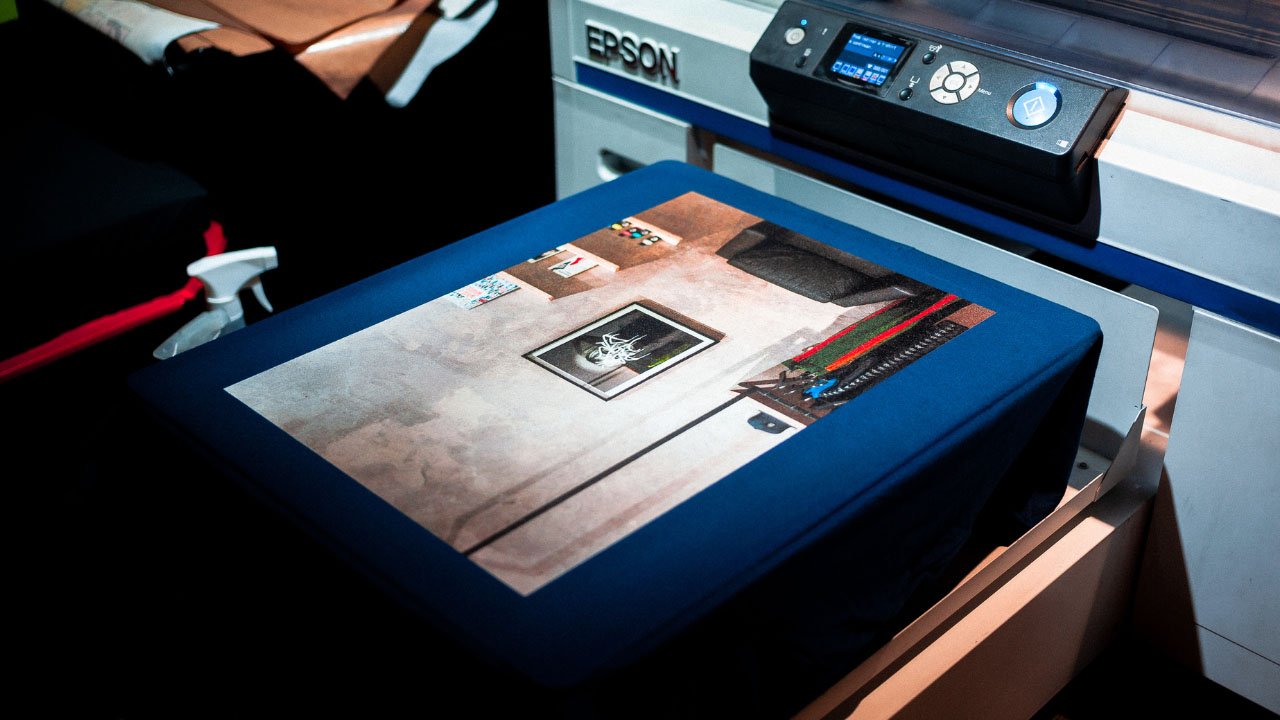
Digital printing applies ink directly onto materials using modern inkjet or laser printers.
Unlike screen printing, this process doesn’t require screens or stencils which makes a more flexible and efficient option for smaller orders and detailed designs.
For instance, printing small orders of customised business brochures, small-batch custom apparel, or high-detail artwork.
Here are some of its biggest advantages:
✅ Perfect for complex, multi-colour designs
✅ Quick turnaround
✅ Cost-effective for small batches
One of our top services, Direct to Garment Printing (DTG) Printing, utilises this printing technique that allows for full-colour, intricate designs on apparel.
6 Key Differences Between Screen Printing and Digital Printing
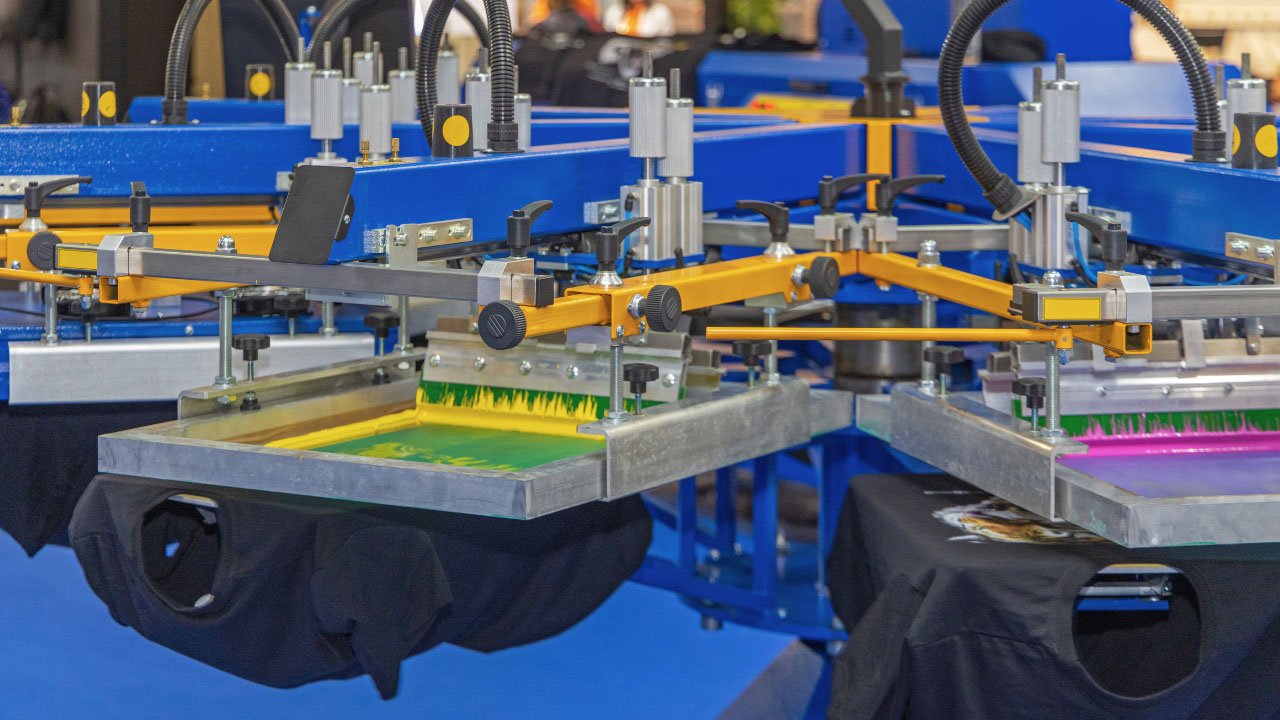
Both screen printing and digital printing work well in different scenarios, but they differ in cost, print quality, durability, speed, design complexity, and environmental impact.
Here’s a breakdown of their key differences:
1. Cost Efficiency
Screen Printing
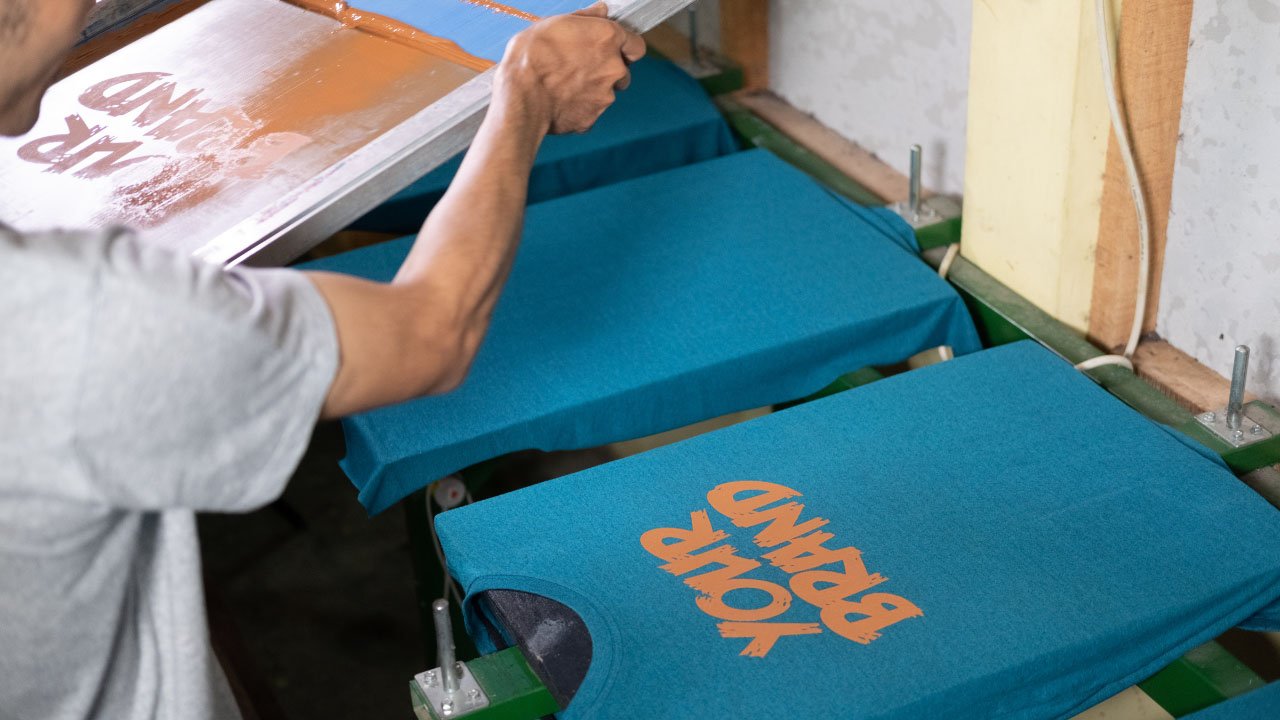
The screen printing process is more cost-effective for bulk printing since the cost per unit decreases with higher quantities.
Screens and stencils for a particular design only need to be created once. After that, they can be reused for multiple prints, making large batches more economical.
However, screen printing has high initial setup costs, as each colour requires a separate screen, making small orders less practical and more expensive per piece.
Digital Printing
Digital printing, on the other hand, does not require screens or stencils, eliminating setup fees altogether.
This makes it an excellent choice for short runs, customised and intricate designs, or small orders.
However, for large volumes, digital printing work can be more expensive per unit as each piece is printed individually.
Additionally, the cost of digital printers’ ink is typically higher than the plastisol or water-based inks used in screen printing, further increasing the cost at scale.
2. Print Quality & Colour Vibrancy
Screen Printing
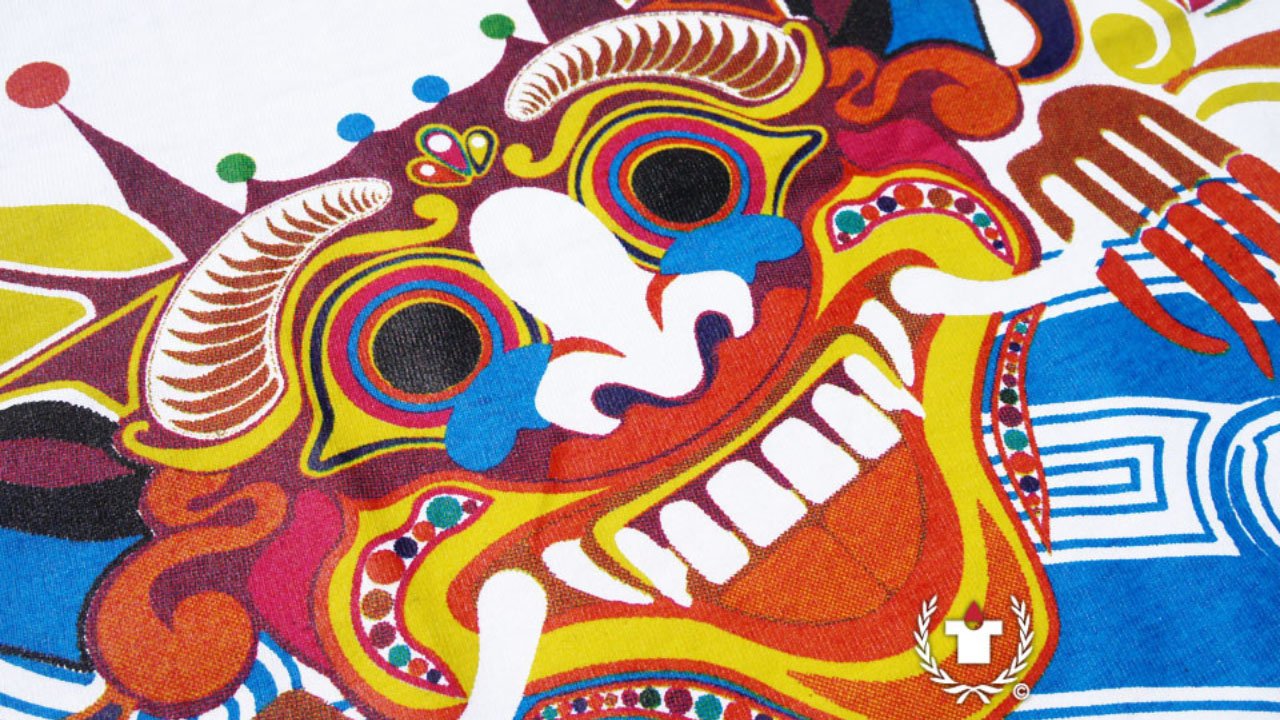
Screen printing is perfect for solid colors and eye-catching designs because of its thick ink layers, which provide vibrant, rich colors.
This method ensures a consistent, vibrant finish, which is especially useful for printing text-based images and logos.
However, it does not perform well with complex patterns that have delicate gradients or shading.
Digital Printing
Even though digital printing may not have the same vibrancy as screen printing, especially on darker textiles, its remarkable precision makes it a more versatile choice for intricate, colourful artwork.
Both techniques can be employed with specialty inks to create distinctive effects, including metallic or intensely vibrant neon colours that stand out on various substrates.
3. Durability & Washability
Screen Printing
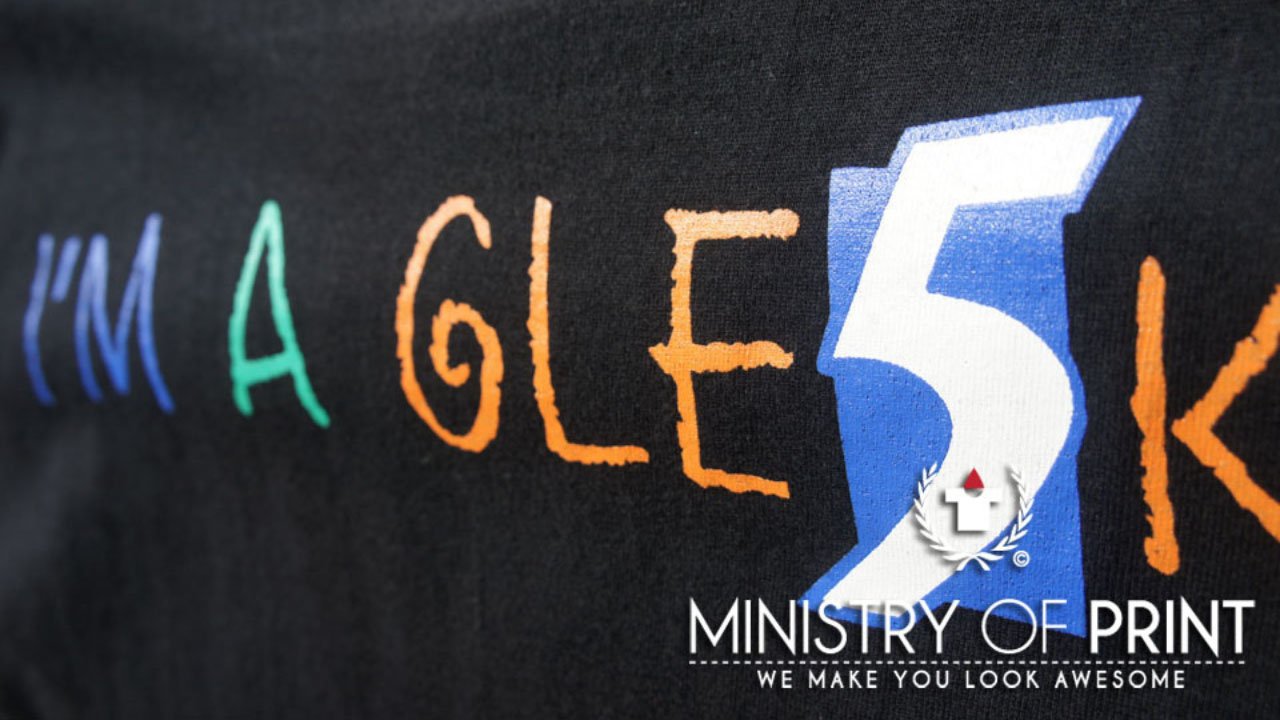
Designs created with the screen printing process, are known for their resilience to fading and cracking even after numerous washings.
The ink used in screen printing bonds deeply with the fabric, making it a preferred choice for apparel that needs to maintain its quality over time.
This makes it especially appropriate for frequently used promotional items, sportswear, and work outfits.
Digital Printing
Digital printing, while still durable, is more prone to fading over time, especially after multiple washes.
Furthermore, digital prints may show signs of wear faster, particularly on heavily used garments, since the ink sits on the surface of the fabric rather than being absorbed deeply.
That said, digital printing is still a reliable and visually striking solution for short-term or occasional wear items.
4. Speed & Turnaround Time
Screen Printing
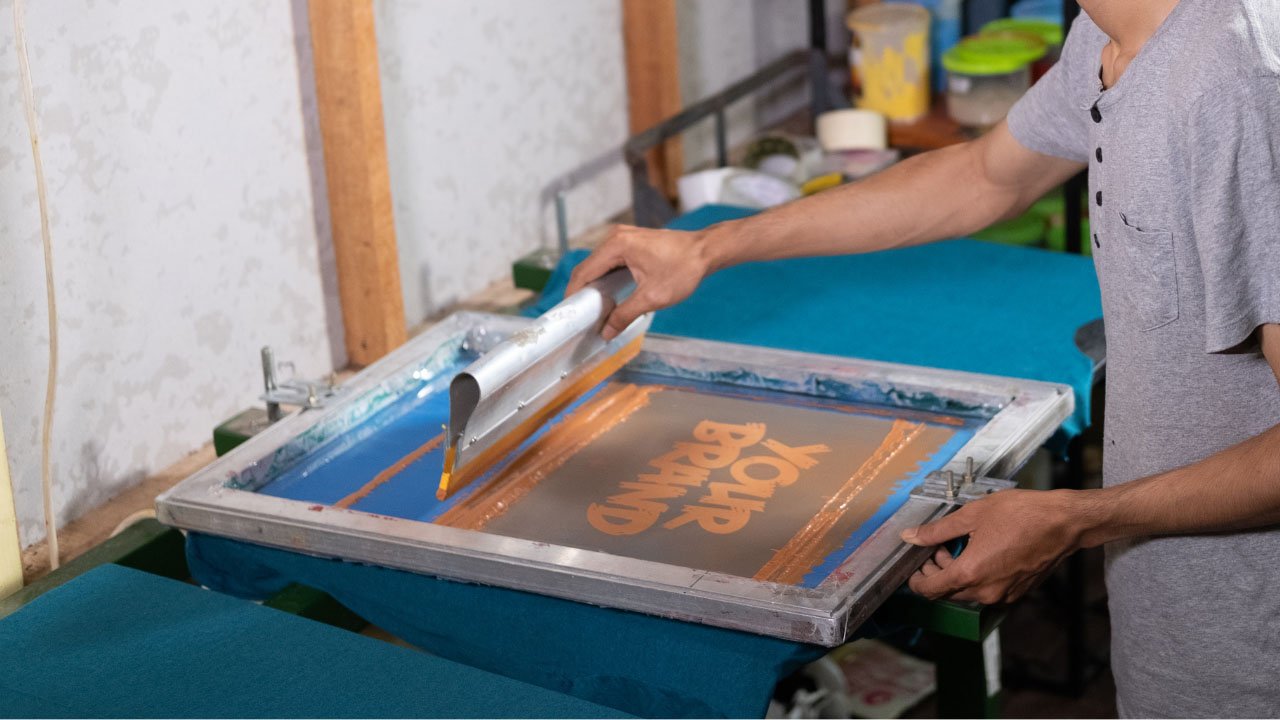
Screen printing requires a more complex preparation process that involves configuring screens for each colour in the design.
Although this takes a lot of time in the beginning, printing in large quantities is considerably quicker and more effective after the setup is finished.
This makes screen printing ideal for large orders with the same design.
Digital Printing
On the other hand, the digital printing process involves far less setup time and doesn’t require screens or stencils.
It is the ideal choice for projects with fast turnaround times, unique designs, and smaller quantities because it enables on-demand printing.
5. Design Complexity

Screen Printing
Screen printing works best with bold, simple designs featuring a limited number of colours, since each additional colour requires a new screen.
This makes screen printing only ideal and practical for simple designs like minimalistic logos, text-based graphics, and solid shapes.
Digital Printing
Digital printing, on the other hand, allows for high-detail, multi-colour, and photorealistic designs without extra costs for additional colours.
It is particularly useful for intricate designs and patterns, shading, and gradient effects that would be difficult to achieve with screen printing.
6. Environmental Impact
Screen Printing
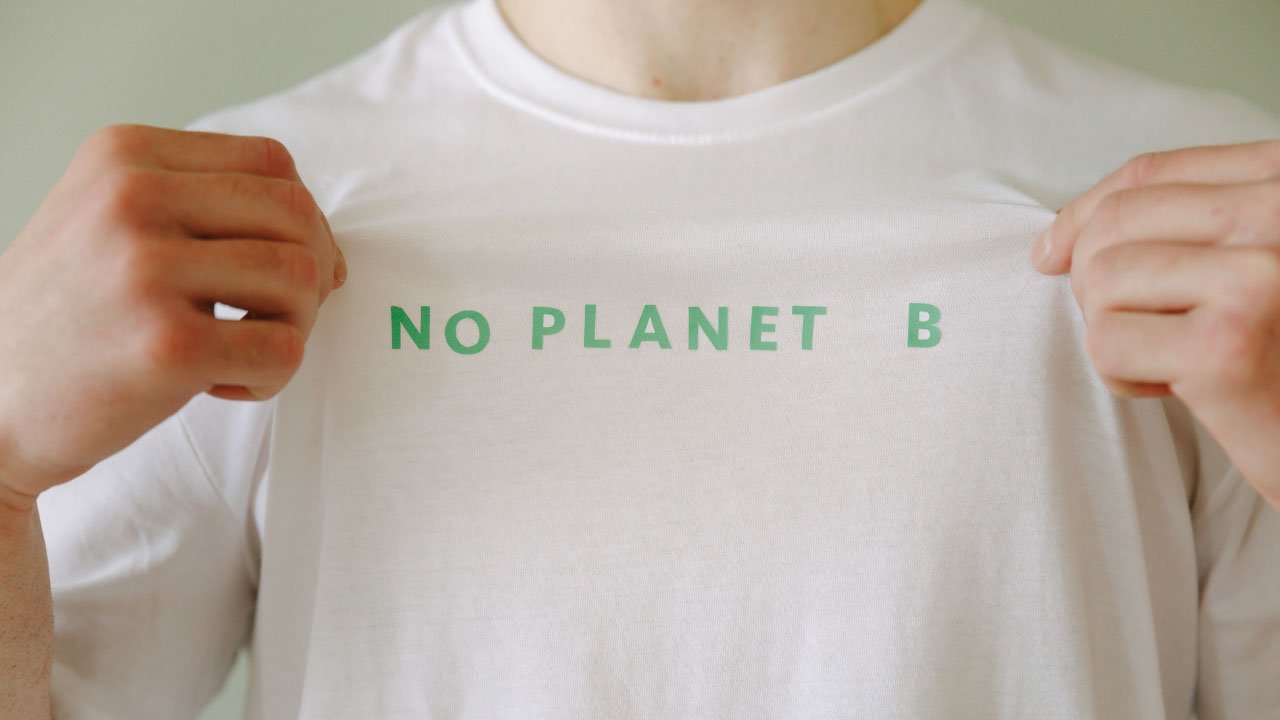
Screen printing produces more waste due to the need for screens, excess ink, and chemical-based cleaning processes.
The use of plastisol inks also contributes to environmental concerns, as they contain PVC and require solvents for cleanup.
Digital Printing
Digital printing is a more eco-friendly alternative, generating less waste since no screens or chemical washes are needed.
Many digital printing methods use water-based inks, which are less harmful to the environment.
This makes digital printing a more sustainable choice for businesses looking to reduce their ecological footprint.
When to Choose Screen Printing vs Digital Printing

Choosing between screen printing and digital printing ultimately depends on your needs.
Both methods have their strengths, so it’s essential to consider factors like budget, design complexity, order size, and turnaround time.
By weighing these factors, you can select the best printing technique to bring your designs to life.
Choose Screen Printing if:
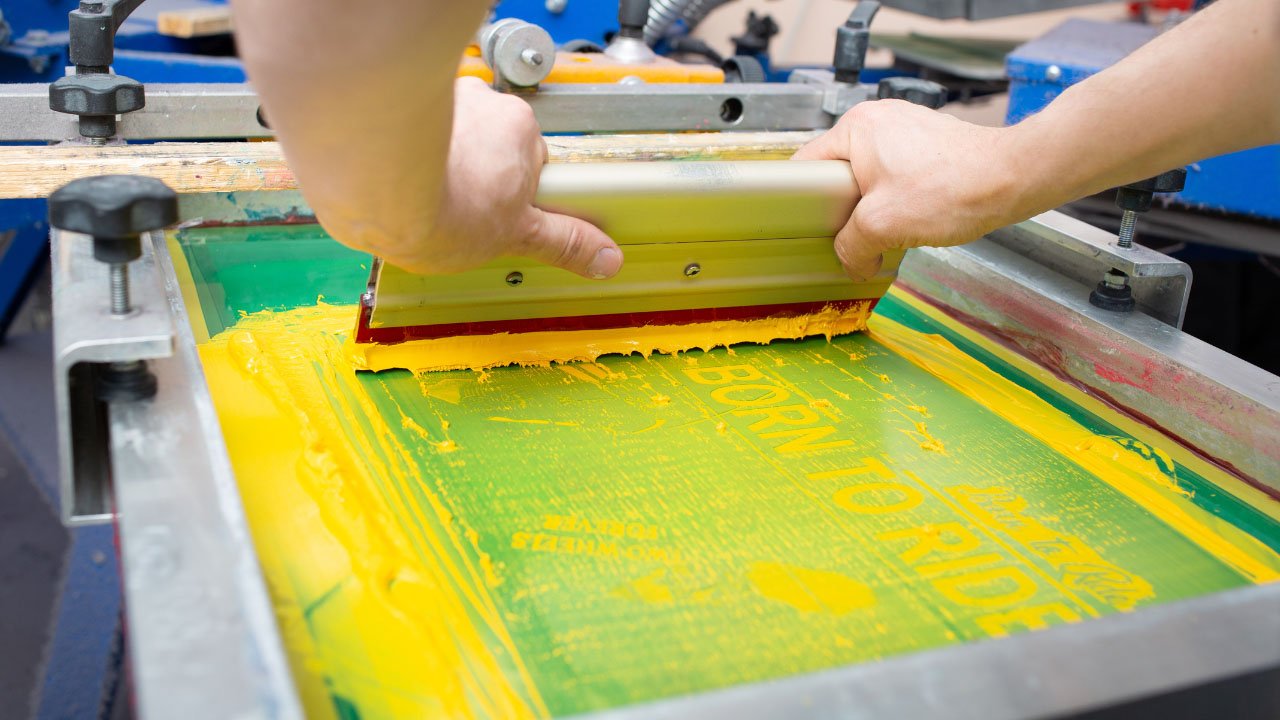
Screen printing is the ideal choice if you need large quantities of the same design, as the cost per unit decreases with bulk orders.
It is also the best option if you want bold, vibrant colours that last, particularly for T-shirts, banners, and promotional materials.
Additionally, screen printing is more durable, making it suitable for apparel that requires frequent washing and long-term wear.
Choose Digital Printing if:
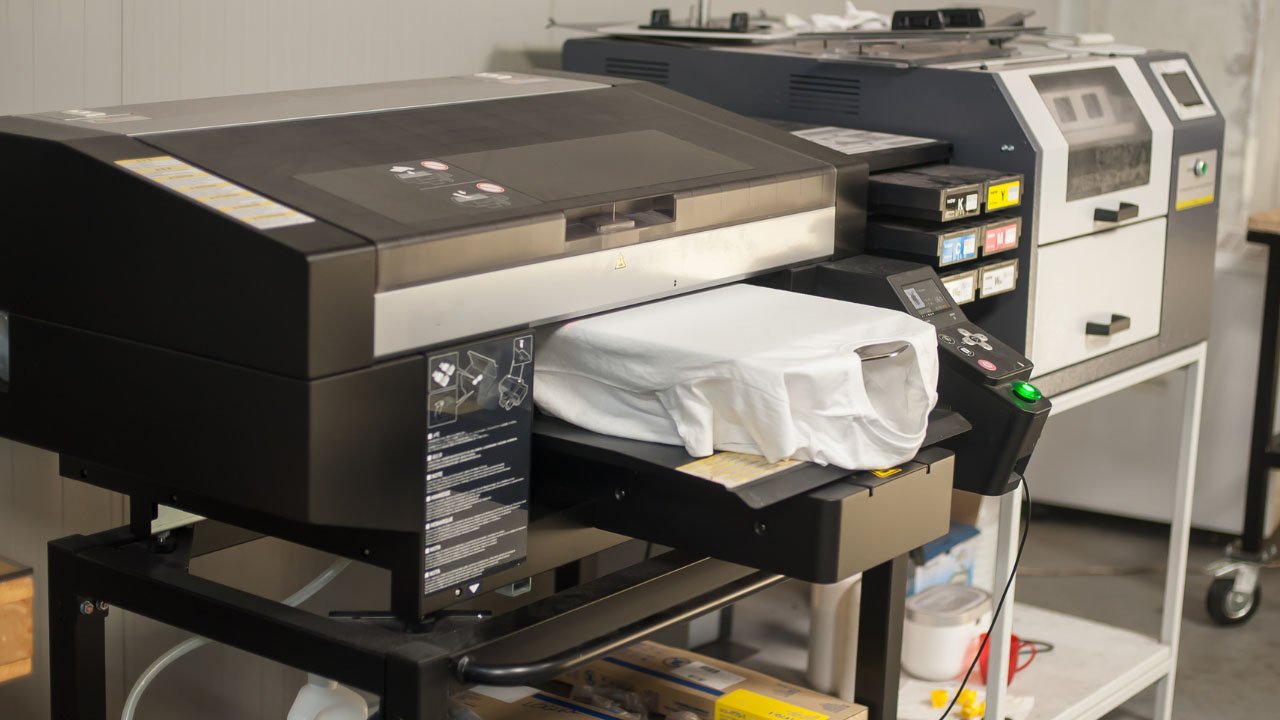
Digital printing, on the other hand, is a better choice for smaller orders or when high-detail, multi-colour designs are needed.
It allows for precise gradients, intricate artwork, and photographic prints, making it a great option for customised or one-off pieces.
Digital printing is also much faster to set up, making it perfect for projects with tight deadlines or quick turnarounds.
Get the Best of Both Worlds For Your Printing Needs with Ministry of Printing
Deciding on the best printing method can be challenging, but Ministry of Print is here to make it easy. With over 10 years of expertise, we offer high-quality printing solutions tailored to your needs.
Why Choose MOP for Your Printing Needs?
- Unmatched Selection of Ready-Stock Corporate Gifts and Apparel
We offer custom wearables like T-shirts, polo shirts, and outerwear, essential care products and promotional items. - Superior Quality and Customisation
Whether it’s custom-made corporate T-shirts, sports jerseys, or windbreakers, our products are crafted to impress and built to last. - Comprehensive Printing Services
We provide services such as silk screen printing, heat transfer, dye sublimation, direct-to-garment printing, and more. - Fastest Lead Time in Singapore
With a standard lead time of just 5-7 working days, we guarantee that your orders are delivered on time, every time. - Competitive Pricing with No Hidden Costs
We pride ourselves on offering competitive and affordable pricing that fits within your budget, while still ensuring that you get the best value for your investment. - Trusted and Certified Supplier
As a registered vendor with multiple platforms such as GeBIZ, NHG, and SAP Ariba, we are a trusted partner for organisations across Singapore.
Need expert guidance on which printing method suits your project best?
Contact us today for professional advice and top-quality printing solutions!