
 Enquiry























































What Is Jersey Fabric and the Best Printing Method for It?
Ever wondered why sports jerseys feel incredibly soft yet manage to withstand intensity on the field?
That’s the magic of jersey fabric—a highly versatile material that has taken over both the sportswear and fashion industries.
But not all prints on jersey shirts are created equal. Some fade after a few washes, while others crack and peel over time. The key to long-lasting, vibrant designs lies in choosing the best printing method.
So, what makes jersey fabric unique? And which printing techniques work best for custom designs? We’ve got all the answers!
Read on for a deep dive into jersey fabric, its benefits, and the best printing method to bring your custom designs to life!
Understanding Jersey Fabric: Composition, Properties, and Uses
In this section, we’ll break down what jersey fabric is made of, its different types, and why it’s a top choice for everything from casual wear to high-performance sports jerseys.
What Is Jersey Fabric?
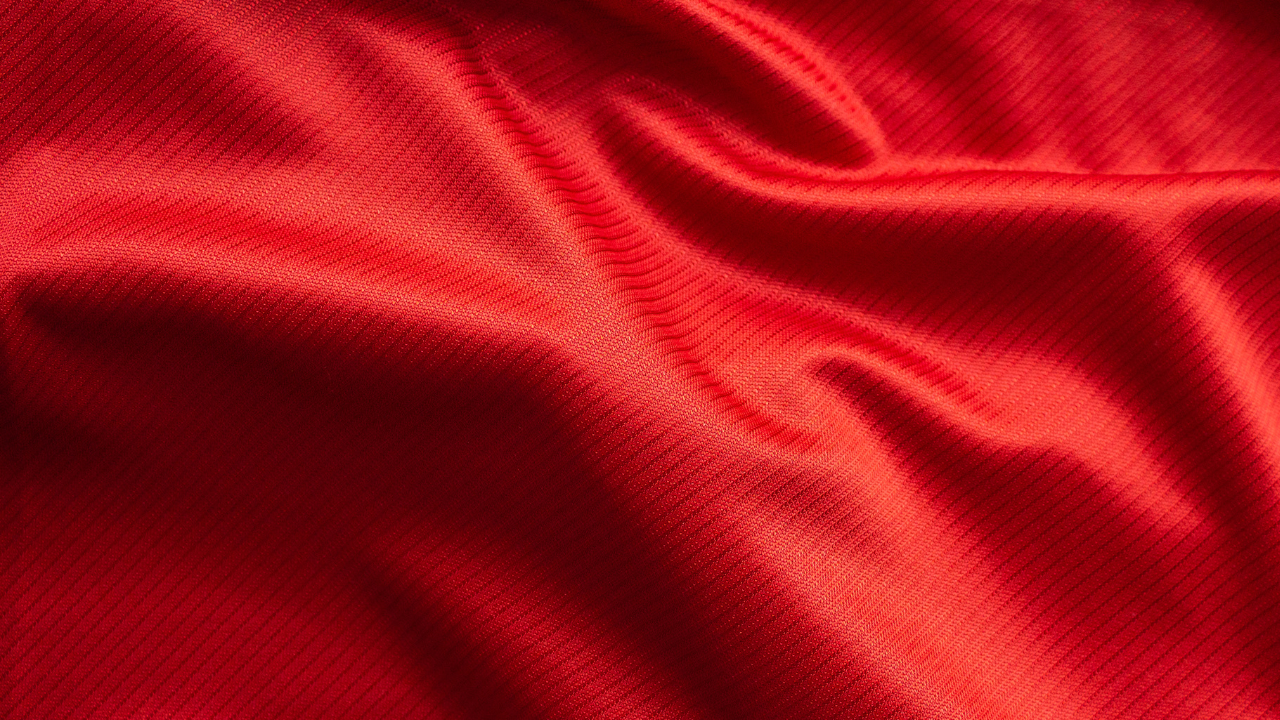
Jersey fabric has come a long way since its origins.
First developed in the Jersey region of the Channel Islands, it was made exclusively from wool and primarily used for fisherman’s clothing due to its warmth and flexibility.
The modern jersey knit fabric is crafted using cotton yarns, polyester fabrics, and synthetic fibers to enhance durability and stretch.
Several variations of jersey fabric used in cosy clothes, casual wear, sportswear, and even cotton underwear, are used today, including:
- Cotton jersey fabric – Made from natural cotton fibers, offering softness and breathability.
- Polyester jersey – A synthetic fabric designed for moisture-wicking performance.
- Blended jersey – A combination of cotton, polyester, and elastane for extra flexibility.
Single-Knit vs. Double-Knit Jersey: What’s the Difference?
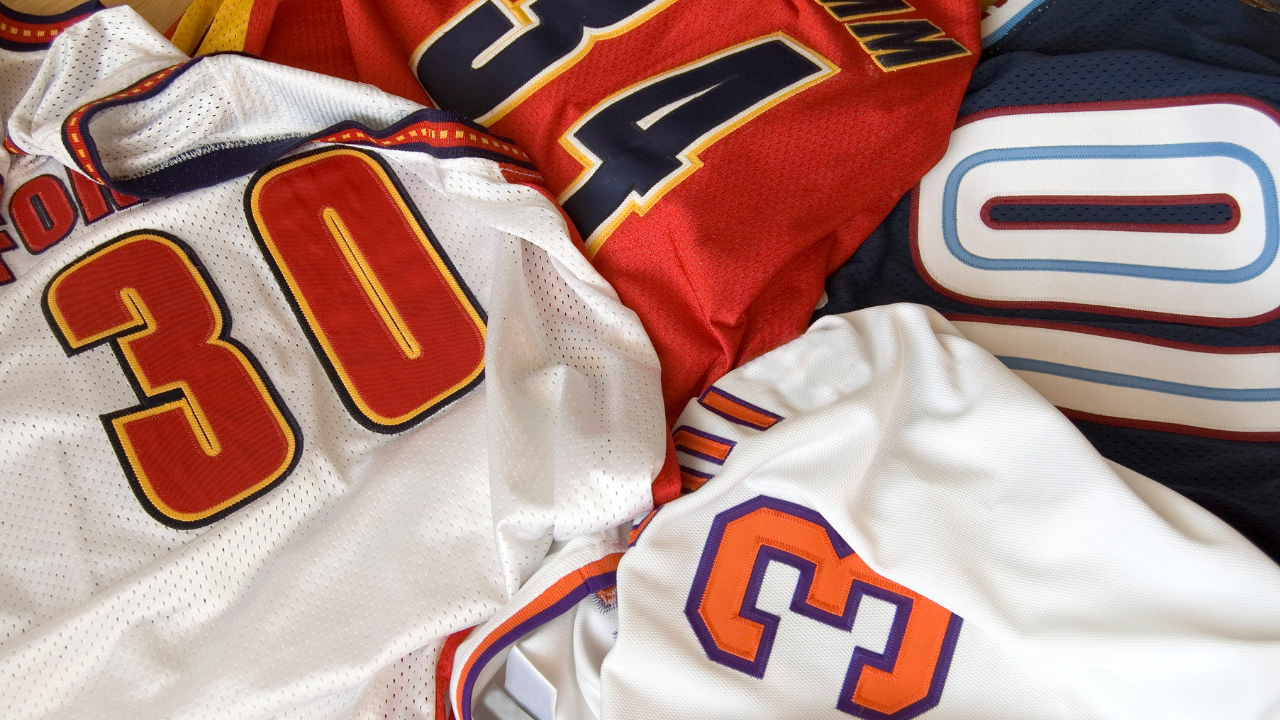
When choosing a jersey fabric, you’ll likely come across two common types—single-knit and double-knit.
The knitting method used in jersey fabric affects its stretch, weight, and structure, which in turn influences its feel and performance across different applications.
Single-Knit Jerseys

Single-knit jerseys are lightweight, stretchy, and breathable, making them ideal for sportswear and t-shirts. However, they tend to curl at the edges and are slightly less durable.
Jersey isn’t just comfortable—it’s engineered for performance. Here’s why single-knit fabric stands out:
- Lightweight & breathable – Keeps you cool, even in Singapore’s humid climate.
- Flexible & durable – Stretches without losing shape, unlike silk fabrics or satin weave materials.
- Moisture-wicking – Pulls sweat away from the skin, keeping you dry.
- Versatile – Used for sports jerseys, custom team wear, and trendy street fashion.
Singapore’s sports and fitness culture thrives on single-knit jerseys, making them the go-to for various activities:
- Football – Custom jerseys for local leagues, amateur clubs, and school teams. Teams prefer polyester fabrics with all-over printing for breathability.
- Basketball – Breathable jerseys for both professional and casual games. Silkscreen printing is a common choice for bold team logos.
- Bhttps://mop.manyproject.my/wp-content/uploads/2026/04/social-media-giveaway-ideas-1.jpgton – A national favourite where lightweight, sweat-resistant jerseys are key. Heat transfer printing allows for detailed designs and custom player names.
Beyond sports, single-knit jerseys are widely used for corporate events, school uniforms, and promotional apparel. Custom-printed jerseys help businesses, schools, and teams reinforce their branding while ensuring comfort.
Double-Knit Jerseys
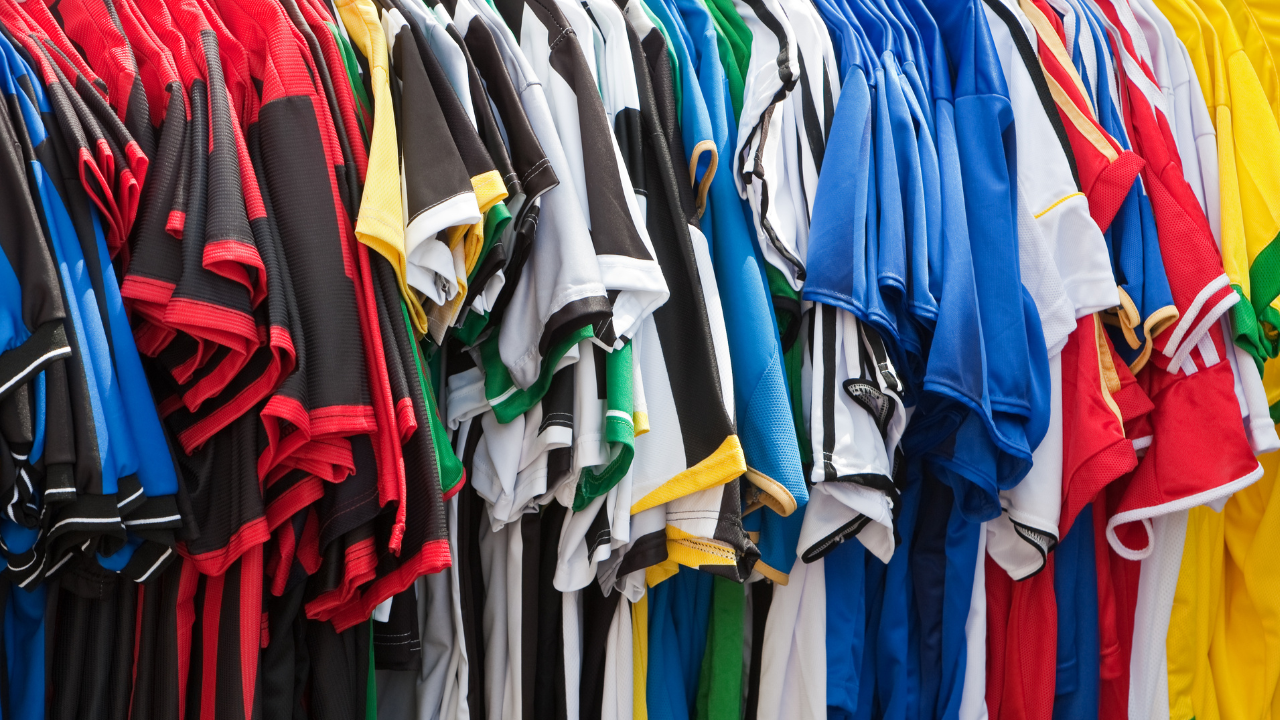
Double-knit jerseys are thicker and more structured, making them a great choice for jackets and premium sportswear. With a smooth finish on both sides, they offer better durability and shape retention.
Like single-knit jerseys, double-knit fabrics bring impressive performance features:
- Enhanced durability – Resistant to wear and tear, making them ideal for high-performance sportswear.
- Structured fit – Holds its shape well, making it suitable for jackets, uniforms, and premium team apparel.
- Moisture management – Absorbs sweat and dries quickly, keeping athletes comfortable.
Although double-knit jerseys are less common in lightweight sportswear, they are preferred for high-performance gear, premium team uniforms, and outerwear where structure and durability are essential.
Best Printing Methods for Jersey Fabric: Pros and Cons
Printing on jersey fabric isn’t as simple as printing on a regular cotton t-shirt. The fabric’s stretch, absorption, and elasticity can impact how well prints adhere and last over time.
Some printing techniques work best for polyester sports jerseys, while others are better suited for casual cotton tees.
Let’s break down the best printing methods for jerseys to know which one fits your needs.
1. Sublimation printing for vibrancy and longevity

Dye sublimation printing infuses ink into the fabric using heat and pressure. This method is known to be one of the most durable and long-lasting in the industry.
Best for: Polyester-based jerseys, team sportswear, high-performance activewear
Pros:
- Produces vibrant prints that won’t crack or peel.
- Allows all-over printing, making it ideal for sports jerseys.
- Uses water-based inks, which are eco-friendly.
- The ink becomes part of the fabric, which keeps the material lightweight and breathable.
Cons:
- Works only on synthetic materials like polyester, not suitable for cotton jerseys.
💡 Quick Tip: Sublimation printing works best on light-coloured fabrics. If your design requires dark jerseys, consider alternative methods like heat transfer or screen printing for better visibility.
At Ministry of Print, we offer high-quality sublimation printing that keeps your jerseys looking sharp, even after countless washes.
This option is perfect for sports teams, corporate events, and promotional jerseys that need bright, long-lasting colours with a professional finish.
2. Screen printing for bulk orders

Silkscreen printing involves pressing ink through a stencil onto fabric. This technique is a well-known choice for large-scale jersey production due to its efficiency and affordability.
Best for: Team jerseys, corporate uniforms, bulk event apparel
Pros:
- Produces bold, long-lasting prints.
- Lower per unit costs for bulk orders.
- Works well on various fabric types, including cotton jerseys and polyester blends.
Cons:
- Can feel heavier on fabric, affecting breathability for high-performance sportswear.
💡 Quick Tip: Screen printing is ideal for simple, bold designs with fewer colours. If your jersey design includes intricate details or gradients, consider DTG or heat transfer printing for a more precise finish.
At Ministry of Print, we provide professional screen printing for jerseys, ensuring your team stands out with bold, high-quality designs.
We also offer customisation options to match your branding needs while maintaining cost-effective solutions for bulk orders.
3. Heat transfer printing for versatile and customised jerseys

Heat transfer printing uses transfer paper and a heat press machine to apply designs onto fabric. This is an ideal choice for jerseys with personalised names and numbers.
Best for: Small-batch jerseys, esports apparel, customised team uniforms
Pros:
- Works on both cotton fabric and synthetic fibers.
- Produces crisp, high-resolution prints with precise detailing.
- Perfect for digitally printed one-off designs.
- Allows vibrant, multi-coloured graphics, including gradients and fine details.
Cons:
- May crack or peel over time with frequent washing.
💡 Quick Tip: For better durability, wash heat transfer printed jerseys inside out and avoid high heat when ironing. This helps prevent peeling and extends the print’s lifespan.
At Ministry of Print, we use heat press printing for custom names, logos, and vinyl printing to achieve sleek, durable designs.
We also offer a variety of heat transfer options, including full-colour digital prints and specialty finishes, to create high-impact, personalised jerseys tailored to your needs.
4. Direct-to-Garment (DTG) printing for intricate designs

Also known as DTG printing, this digital method works like a fabric inkjet printer. This printing process is usually preferred for high-detail, multi-coloured designs.
Best for: Premium cotton-based jerseys, fashion-focused sportswear, small-batch orders
Pros:
- High-definition, photo-quality prints for detailed artwork.
- Soft, lightweight finish with no thick ink layers.
- Uses water-based inks for a soft, high-quality print finish.
- Allows full colour and gradient effects.
Cons:
- Not ideal for large orders due to higher cost and longer production time.
💡 Quick Tip: DTG printing works best on 100% cotton fabric. Using synthetic blends may result in lower ink absorption, affecting colour vibrancy.
At Ministry of Print, we offer top-tier DTG printing for one-of-a-kind jersey designs with stunning detail and colour accuracy.
Our advanced DTG technology ensures vibrant prints on cotton-based fabrics, making it an excellent choice for custom streetwear and esports jerseys.
Your Jersey Printing Checklist

After understanding jersey fabric types and the best printing methods, you can now make an informed decision when choosing experts to produce your team’s jerseys.
Here’s a quick list to guide you:
- Pick the right fabric – Polyester for sports, cotton for casual wear, blends for flexibility.
- Choose the best printing method – Sublimation for polyester, screen printing for bulk, heat transfer for names/numbers, DTG for intricate designs.
- Ensure bold colours and sharp graphics – High-contrast designs work best on jersey fabric.
- Check for personalisation options – Custom names, numbers, and logos for a unique touch.
- Prioritise durability – Opt for long-lasting prints that withstand frequent washing.
- Select a trusted printer – Experienced providers ensure high-quality prints and reliable production.
This is a short and simple checklist, but we believe it covers all the essentials.
It will help you find the perfect fabric, the best printing method, and the right jersey printing service for your team’s sportswear.
If you check off all these points, you’ll be well on your way to creating jerseys that look great, last long, and represent your team with pride.
Make Your Custom Jersey Vision a Reality with Ministry of Print!

Customising jerseys should be seamless. At Ministry of Print, we make it happen.
We bring your ideas to life with top-tier printing techniques, offering limitless customisation options to create unique and high-quality personalised jerseys.
Our moisture-wicking fabrics keep you cool in Singapore’s climate, while our high-quality prints ensure durability and style.
We cater to both small and bulk orders, making us the go-to choice for sports teams, corporate events, schools, and promotional apparel.
With a lead time of just 5–7 working days, plus expedited services available, we deliver fast, top-quality printing for every order.
Get a free quote today and let’s bring your jersey vision to life!