
 Enquiry
What’s the Best T Shirt Material for Printing?
Have you ever had a t-shirt design fade after just one wash or noticed that the print feels rough and uncomfortable?
This is a common problem when the wrong material is chosen for printing.
But don’t worry! We’ve got you covered!
In this guide, we’ll break down the most popular t-shirt materials, give you the scoop on their pros and cons, and help you pick the right one for your needs.
Whether you’re printing for a corporate event, a family reunion, or a new fashion line, we’ll make sure you know exactly what to look for!
Understanding T-Shirt Materials
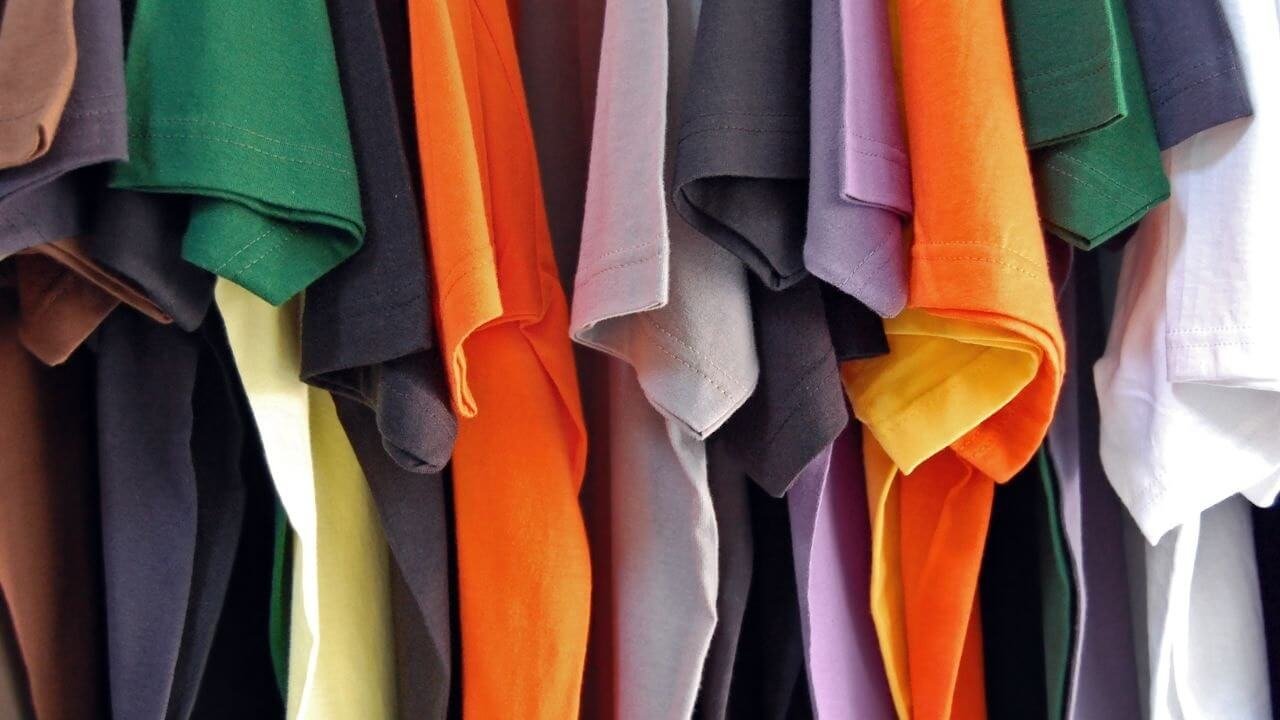
Before diving into specific types, let’s have a quick talk about why material matters so much.
The fabric blends you choose not only affects how comfortable the t-shirt feels but also impacts how well the design prints and how long it lasts.
The most common materials you’ll encounter are 100% cotton, polyester, and polyester-cotton blends.
Each has unique properties that make them suitable for different purposes. So let’s break them down!
Popular T-shirt Materials for Printing
1. Cotton Fabric
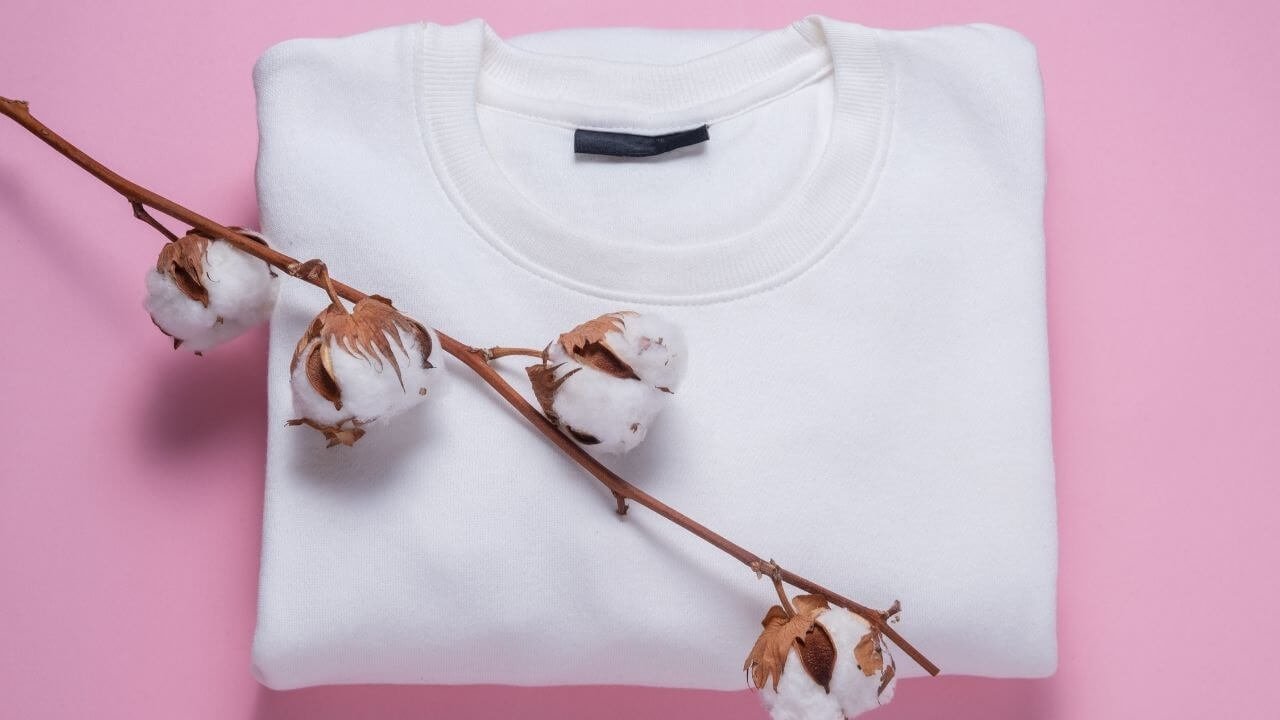
The classic choice and a crowd favourite for a good reason.
Cotton t-shirts are beloved for their softness and breathability, making them an ideal choice for everyday wear, especially in Singapore’s hot and humid climate.
The natural cotton fibers allow for excellent airflow, which can absorb moisture and keeps the wearer cool and comfortable even on the hottest days.
If comfort is your top priority, you can’t go wrong with 100% cotton shirts.
Best Printing Method:
Perfect for techniques like screen printing and DTG (direct-to-garment) printing as the fabric absorbs ink well. They makes the colours pop, ensuring a vibrant, high-quality finish.
Pros:
- Soft and comfortable, making it a top choice for everyday wear.
- Highly breathable, helping you stay cool, especially in warm climates.
- Ideal for vibrant, high-quality prints, especially when printed using DTG or screen printing.
Cons:
- Cotton tends to shrink after washing if it is not pre-shrunk or handled carefully.
- Wrinkles easily, requiring frequent ironing to maintain a neat appearance.
- Colours may fade over time with heavy use and repeated washing, especially in darker shades.
When to Use It:
100% cotton is a fantastic choice for casual t-shirts, promotional giveaways, athletic wear, and event merchandise. It’s great for anyone looking for a comfy, everyday shirt that looks and feels good.
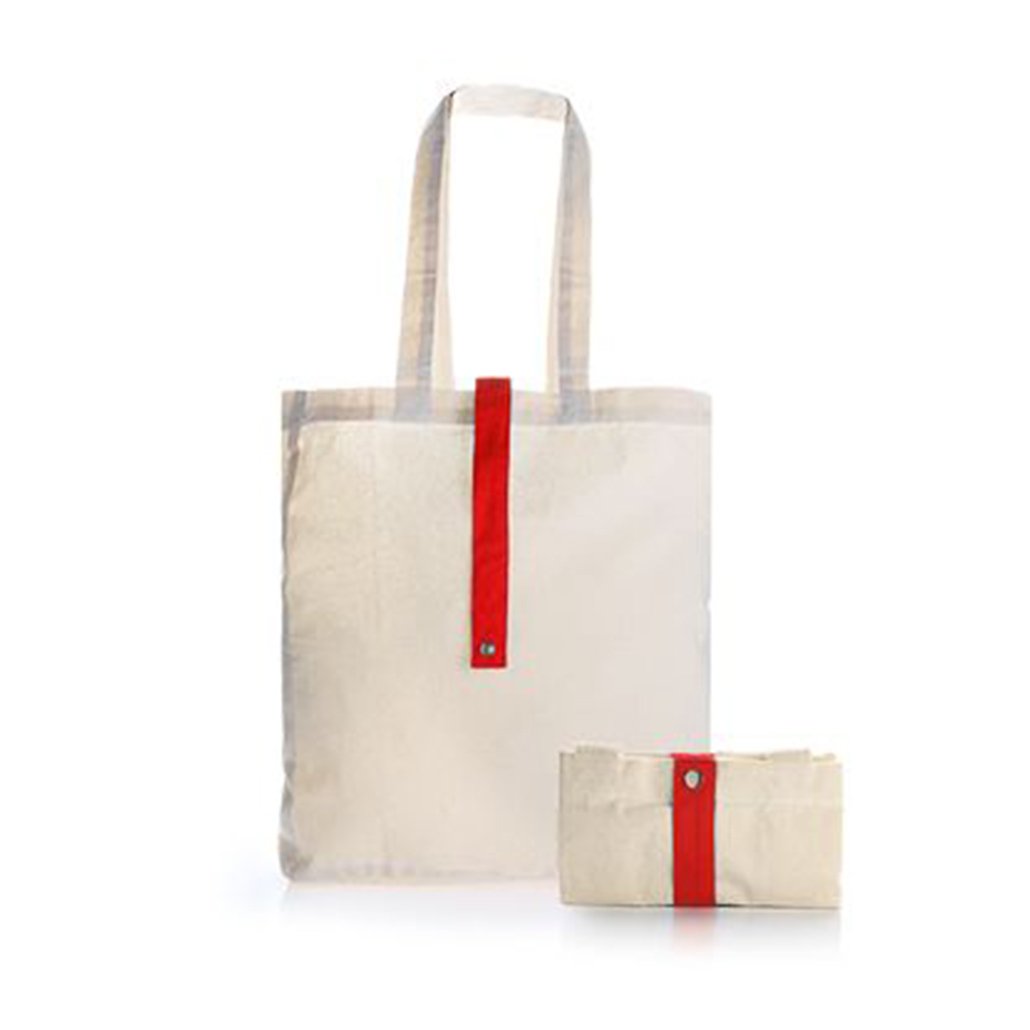
Ministry of Print offers a selection of premium cotton products, including our Cotton T-shirts, Polo T-shirts, tote bags, and Cotton Hand Towels, for superior comfort and durability.
2. Polyester Fabric
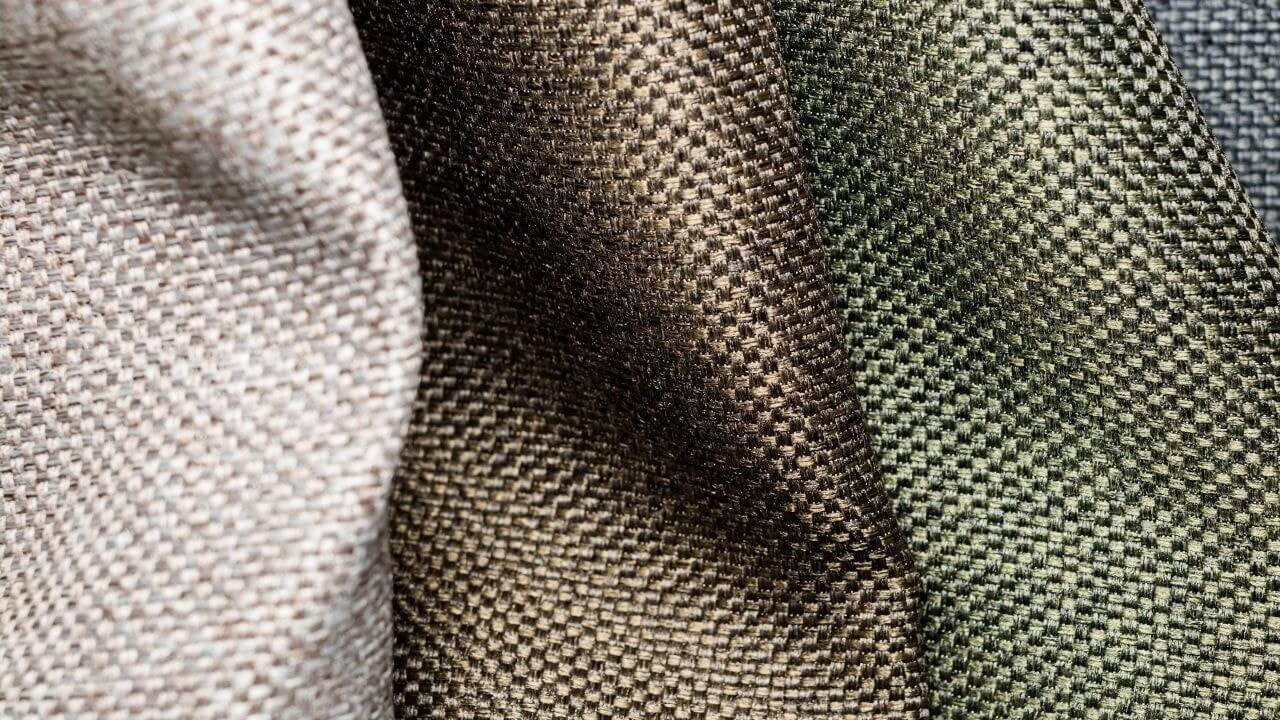
Polyester t-shirts are known for their durability and performance, making them a staple in textile industry for activewear and uniforms.
This synthetic material is lightweight, wrinkle-resistant, and does an excellent job of wicking moisture away from the skin, keeping you dry even during intense activities.
If you’re after durability fabric weight, and performance, polyester fabrics are the way to go.
Best Printing Method:
Polyester works well in dye-sublimation printing, which bonds the ink directly to the fabric. This method allows for full-colour, all-over designs that won’t crack or fade.
Pros:
- Highly durable and wrinkle-resistant, making it perfect for long-lasting garments that hold their shape.
- Features moisture-wicking properties that keep you cool and dry, even during intense activities.
- Ideal for vibrant, full-colour prints, especially when printed using sublimation printing methods.
Cons:
- Less breathable than cotton, which can make it feel warmer in hot climates.
- It may feel less soft and natural against the skin compared to natural fibres like cotton.
- Requires specific inks for certain printing methods, such as screen printing, to achieve the best results.
When to Use It:
Perfect for sports teams, corporate uniforms, and anyone who needs a tough, long-lasting t-shirt that can handle frequent washing and wear.
At Ministry of Print, we offer a range of high-performance products like polyester windbreakers, Dri-fit apparel, and anti-bacterial quick-dry sports towels, which aredesigned for active lifestyles and durability.
Cotton-Polyester Blend
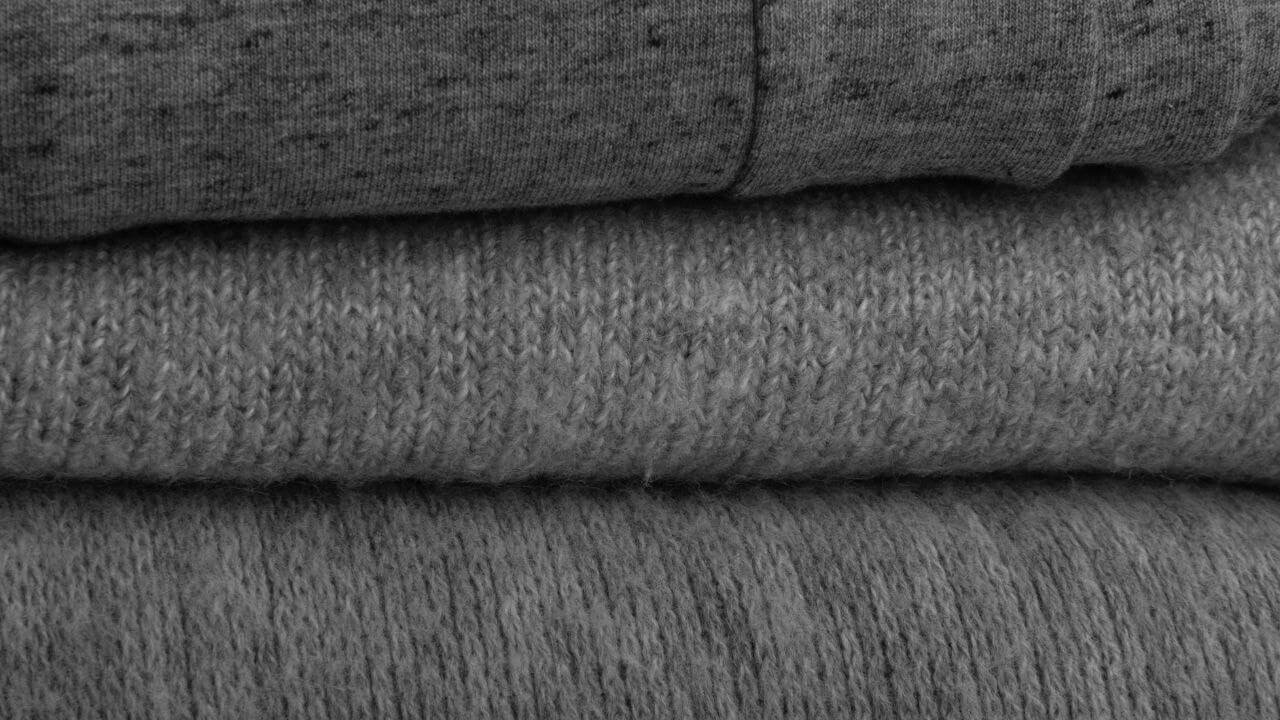
Cotton-polyester blends, simply blends or pure polyester-cotton blends, combine the best of both worlds—cotton’s softness and polyester’s durability.
These fabrics are less prone to shrinking and wrinkling compared to 100% cotton while still feeling soft and comfortable.
Moreover, the specific ratio of cotton and polyester fibers enhances their versatility, making them suitable for a wider range of apparel types.
Here are some popular poly cotton blends:
- 90% Cotton / 10% Polyester: Almost pure cotton, with added durability and shrinkage reduction properties. Great for casual wear and prints well with screen printing and DTG.
- 65% Cotton / 35% Polyester (CVC – Chief Value Cotton): Leans more towards cotton but has enhanced moisture-wicking properties. A versatile choice for everyday wear and promotional T-shirts.
- 50% Cotton / 50% Polyester: A balanced mix of comfort and durability; it’s a go-to for various printing techniques.
- 25% Cotton / 50% Polyester / 25% Rayon (Tri-Blend): A super-soft and lightweight fabric that’s perfect for vintage prints.
Pros:
- Blended fabrics offer reduced shrinkage and enhanced durability compared to 100% cotton fabrics. If you’re an eco-conscious consumer, you can consider blends made from recycled polyester and cotton!
- It’s soft and comfortable, providing a balanced feel that combines the best qualities of both materials.
- Versatile for various printing methods, including screen printing, DTG, and heat transfer, making it the go-to choice for custom apparel.
Cons:
- Print quality can vary based on the blend ratio, with higher polyester content affecting ink absorption.
- Higher polyester content may give the fabric a slightly synthetic fiber feel, which some may find less comfortable than pure cotton.
When to Use It:
Blends are a great choice for corporate giveaways, fashion-forward designs, and projects that require both comfort and durability. Tri-blends are especially suited to premium or vintage-inspired items.
Ministry of Print offers a variety fabric types of blended apparel options, including Corporate Uniforms, Ethnic Casual Wear, and durable Workwearpieces, providing the perfect balance of style and function.
T-Shirt Fabric Face-Off: Which Material Wins?
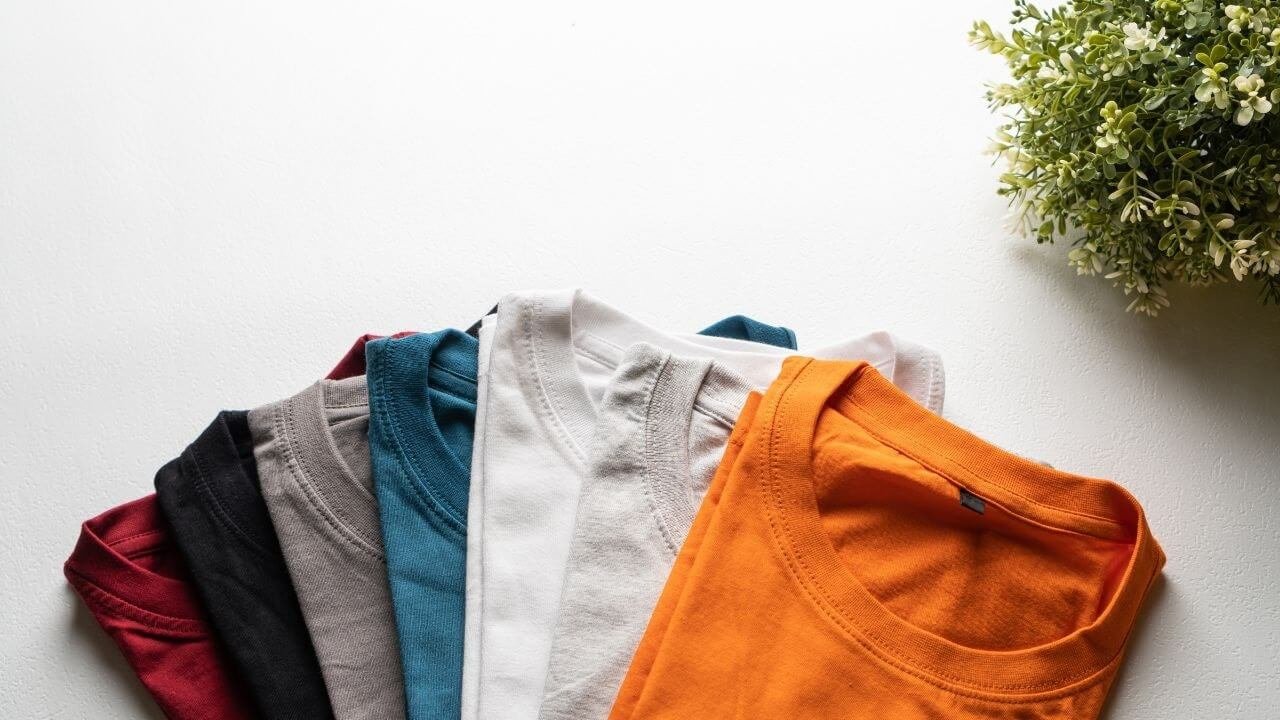
Now that we’ve explored popular t-shirt materials, it’s time for the ultimate face-off!
As mentioned, each fabric has its unique strengths and weaknesses, so let’s dive a bit deeper and see how they stack up against each other.
1. Print Quality
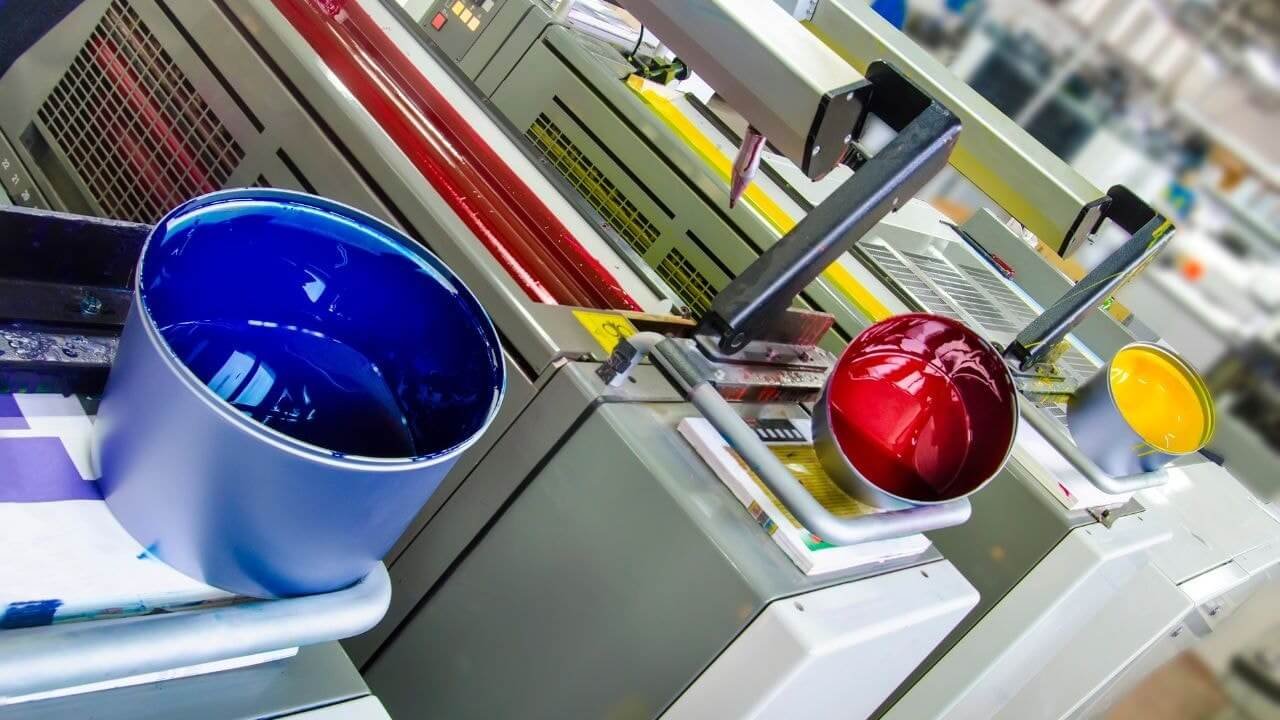
For bold, crisp designs, cotton is your go-to. It loves ink and delivers sharp, vibrant prints with screen printing and DTG.
On the flip side, if you want bright, all-over graphics that last forever, polyester shines with sublimation printing.
Blends are pretty versatile too, but the results can depend on the mix; a higher polyester content might not soak up ink as well.
Want a surefire win? Choose cotton for rich, solid colours or a balanced blend if you need flexibility.
2. Durability
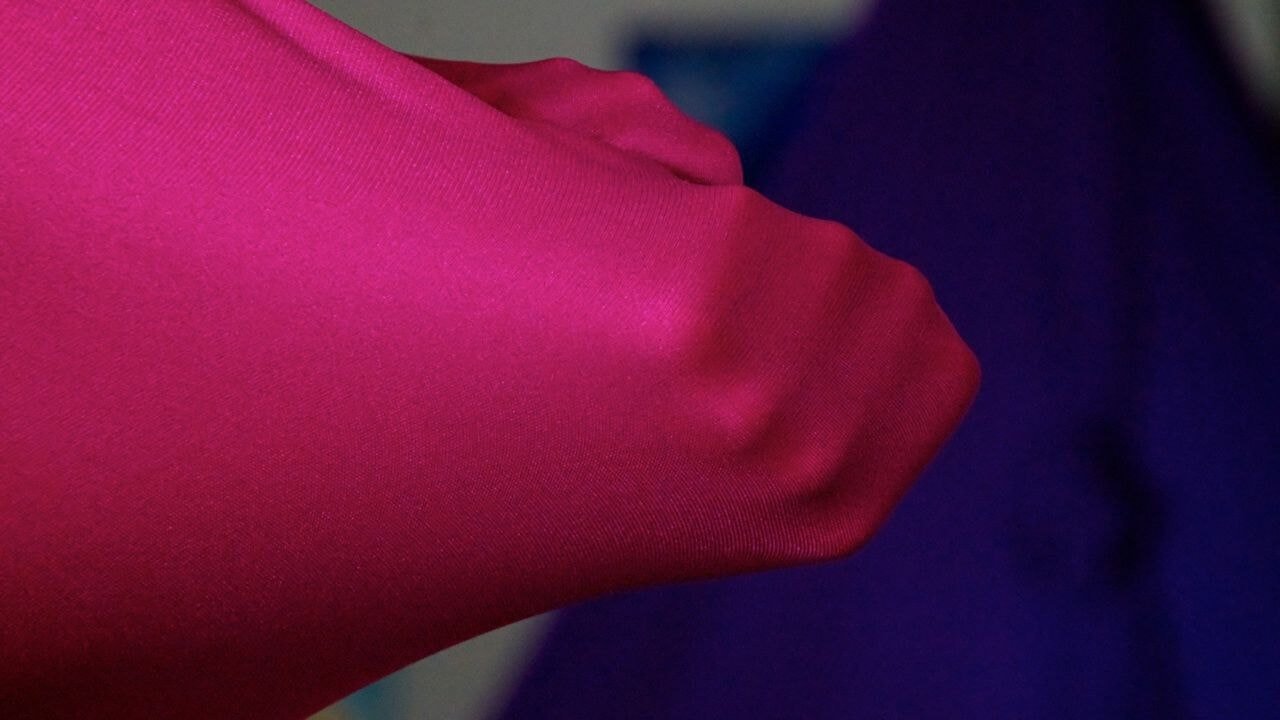
Polyester is the toughest player here—shrugging off shrinking, stretching, and fading like a pro, even after endless washes.
While cotton feels softer, but it needs a bit more tender loving care, as it can shrink or fade without proper care.
Blends bring together the durability of polyester with the cosy feel of cotton, making them a solid middle ground.
If you want a shirt that stands the test of time, polyester or a good blend is your best choice
3. Comfort and Feel
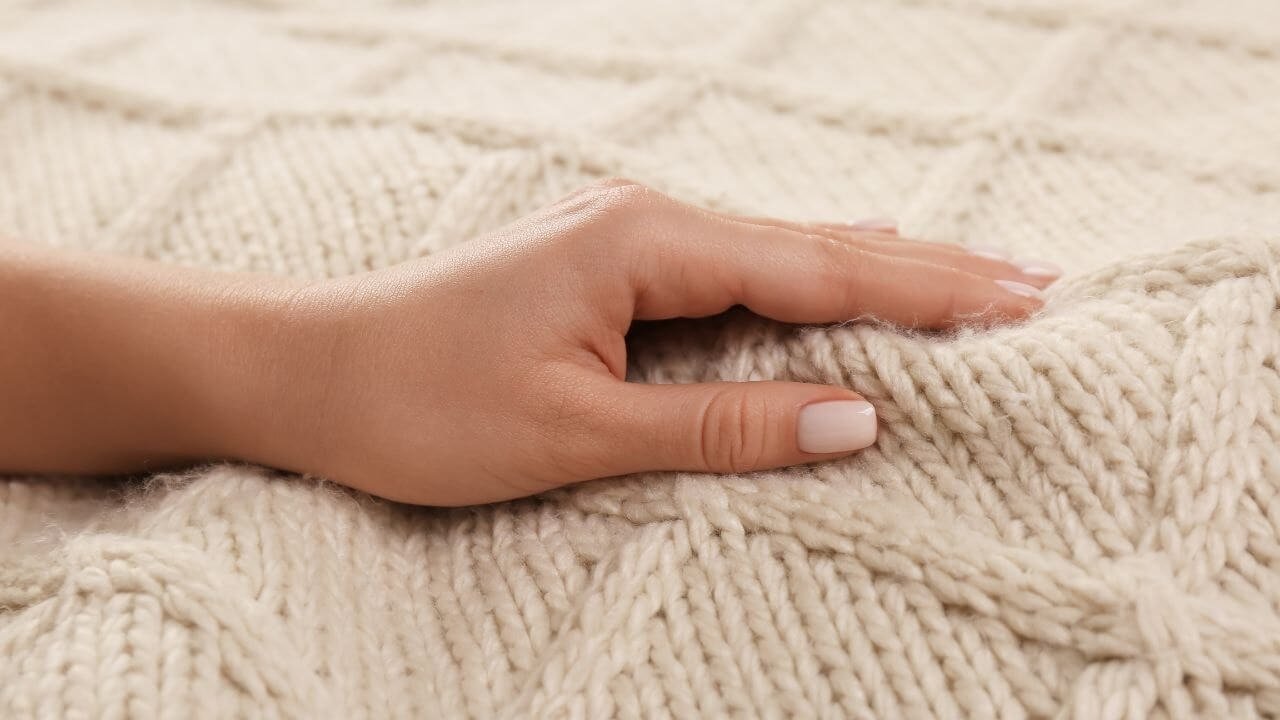
Cotton wins in comfort as it offers a soft, breathable feel that’s perfect for hot weather.
Polyester is lightweight and moisture-wicking but can feel less natural on the skin.
Blends give you the best of both worlds, offering a smooth, soft texture with added durability.
If comfort is your top priority, go with cotton or a tri-blend for a premium, silky feel!
4. Cost and Value
Looking for the best value for your budget? Cotton is usually the most affordable, making it a top choice for bulk orders and casual tees.
Polyester is a bit pricier, but it’s worth it for performance and durability, especially if you’re gearing up for outdoor activities.
Blends, particularly tri-blends, can be on the higher end, but you get what you pay for—exceptional comfort and long-lasting quality.
If you want the best for your money, a classic 50/50 blended fabric hits the sweet spot every time.
Get the Best T-Shirt Materials for Custom Printing at Ministry of Print!
We understand your frustration with poor quality prints or struggle to find the right t-shirt material.
That’s why at Ministry of Print, we are here to help!
We have a complete selection of top-quality fabrics—soft 100% cotton, durable polyester, and versatile cotton-poly blends—perfect for any custom printing project.
Plus, we offer tailored services in Singapore, ensuring your designs stand out with vibrant, long-lasting results, whether you need intricate details or fast turnarounds.
Say goodbye to printing headaches and partner with someone you can trust! Browse our collection and place your order today.